Migrants’ transnational political engagement in Spain and Italy
[:en]By Luis Eduardo Guarnizo (UC Davis), Ali R. Chaudhary (Rutgers University), and Ninna Nyberg Sørensen (DIIS)

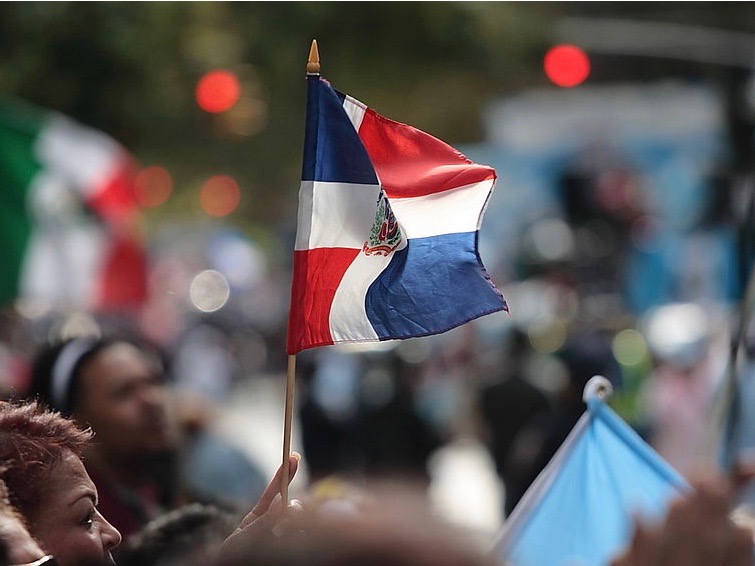 A journal article published on 31 October, 2017, by Ninna Nyberg Sørensen (DIIS), Luis Eduardo Guarnizo (UC Davis), and Ali Chaudhary (Rutgers University) compares and explores the political experiences of Latin American migrants in Europe. In particular, they study the level of political engagement of migrants from Colombia and the Dominican Republic in Spain and Italy. The article states that the participation of these migrants in both local and transnational politics depends on several factors including socio-economic contexts in country of origin and destination, their social networks, and their gender.

The article provides a brief historical context about both the receiving countries (Spain and Italy) as well as the countries of origin (Colombia and Dominican Republic). There exist important socio-cultural connections, but they emphasize that Spain´s colonial history with both countries is a strong factor for assimilation. Thus, they study these case studies by conducting surveys on Colombian and Dominicans´ experience in Europe. The three main perspectives that the authors use to understand and challenge the already existing literature on this migration-political engagement nexus are: the assimilation perspective, the transnational perspective, and the social network perspective.
After quantitative and qualitative analysis of these surveys, the authors find that transnational political engagement is dominated by males of high status. Furthermore, they also find that Dominicans are more likely to immerse themselves in local and transnational politics than Colombians. That is, Dominican migrants both in Spain and Italy are more likely to participate in electoral and non-electoral activities that connects them with their home countries. This study contributes to the field´s research in providing a deeper understanding and evidence of the importance of context, social networks, and demographic factors when it comes to the notions of national citizenship and political belonging.
Read more here:
 [:da]By Luis Eduardo Guarnizo (UC Davis), Ali R. Chaudhary (Rutgers University), and Ninna Nyberg Sørensen (DIIS)
A journal article published on 31 October, 2017, by Ninna Nyberg Sørensen (DIIS), Luis Eduardo Guarnizo (UC Davis), and Ali Chaudhary (Rutgers University) compares and explores the political experiences of Latin American migrants in Europe. In particular, they study the level of political engagement of migrants from Colombia and the Dominican Republic in Spain and Italy. The article states that the participation of these migrants in both local and transnational politics depends on several factors including socio-economic contexts in country of origin and destination, their social networks, and their gender.
The article provides a brief historical context about both the receiving countries (Spain and Italy) as well as the countries of origin (Colombia and Dominican Republic). There exist important socio-cultural connections, but they emphasize that Spain´s colonial history with both countries is a strong factor for assimilation. Thus, they study these case studies by conducting surveys on Colombian and Dominicans´ experience in Europe. The three main perspectives that the authors use to understand and challenge the already existing literature on this migration-political engagement nexus are: the assimilation perspective, the transnational perspective, and the social network perspective.
After quantitative and qualitative analysis of these surveys, the authors find that transnational political engagement is dominated by males of high status. Furthermore, they also find that Dominicans are more likely to immerse themselves in local and transnational politics than Colombians. That is, Dominican migrants both in Spain and Italy are more likely to participate in electoral and non-electoral activities that connects them with their home countries. This study contributes to the field´s research in providing a deeper understanding and evidence of the importance of context, social networks, and demographic factors when it comes to the notions of national citizenship and political belonging.
Read more here:
[:]